Crane Overturn at Steel Manufacturing Unit
Dec 27, 2025
Initial Details
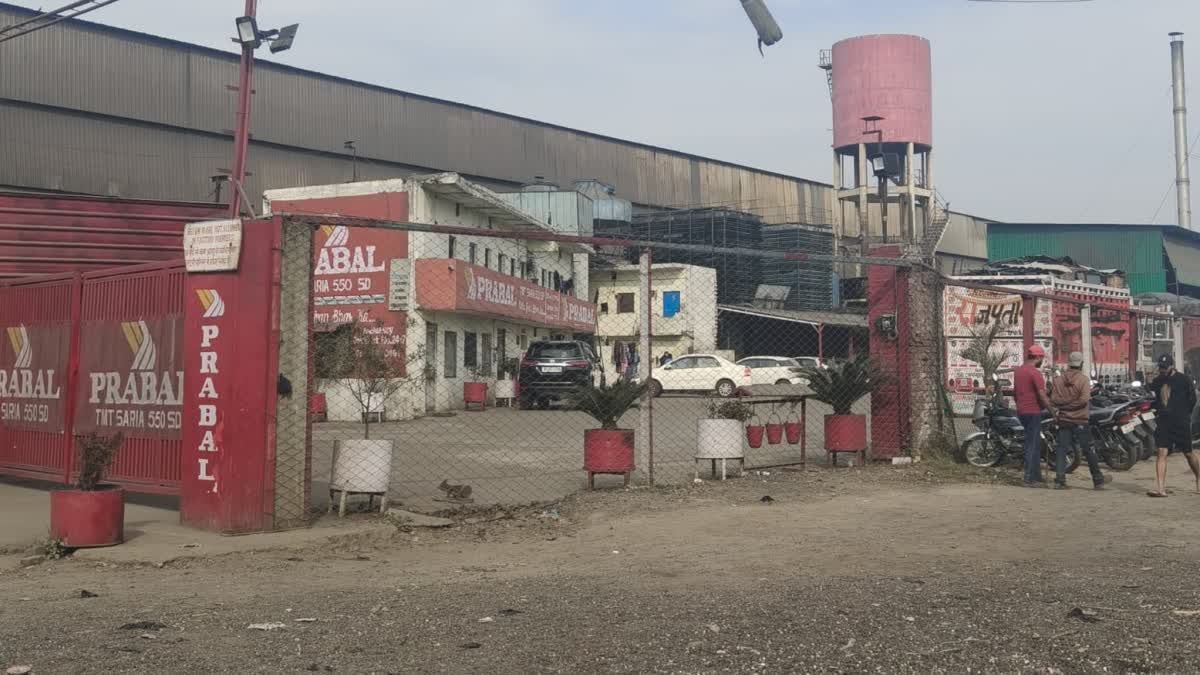
On the morning of Monday, December 29, 2025, a fatal incident occurred at the Prabal TMT steel rebar manufacturing facility located in the Gagret industrial area of Una district, Himachal Pradesh. A crane utilized for lifting operations overturned, causing the machinery and its load to fall onto workers stationed in the immediate vicinity. The accident resulted in two fatalities at the scene, identified as migrant workers from Bihar. Additionally, three other individuals sustained serious injuries and were transported to local medical facilities for urgent treatment. Police authorities have registered a case regarding the incident and launched an investigation.
Known Causes
The immediate cause of the incident was the physical instability of the crane, which toppled over during operation. Reports indicate that the heavy machinery lost its balance while maneuvering a load, leading to a catastrophic collapse. The falling equipment and load directly impacted the workers who were present within the operational radius of the crane.
Potential Causes
While the official investigation is pending, incidents of this nature often stem from a combination of factors regarding stability and load management. It is possible that the load being lifted exceeded the rated capacity of the crane for that specific radius, leading to a structural tip-over. Another likely factor could be ground failure, where the surface beneath the outriggers or tracks was insufficient to bear the pressure of the lift, causing the machine to sink and tilt. The proximity of workers to the equipment suggests a potential failure in establishing and enforcing a strict exclusion zone around the lifting operation.
Advice for Future
To prevent recurrence of such events, site management must ensure that a comprehensive lift plan is in place for all crane operations. This plan must include a detailed assessment of ground conditions to verify that the soil can support the crane and its load, often requiring the use of appropriate spreader mats. Operators must strictly adhere to load charts and never attempt to lift unknown weights or bypass safety limiters. Furthermore, a hard barricaded exclusion zone must be established around the crane during use, ensuring that no personnel are permitted within the fall radius of the equipment or the load. Regular inspection and maintenance of lifting equipment are also essential to rule out mechanical failure.
Conclusion
The tragedy at the Gagret industrial area highlights the severe risks associated with heavy lifting operations in the manufacturing sector. The loss of life and serious injuries sustained serve as a grim reminder that stability and exclusion zones are critical components of industrial safety that cannot be compromised.
EntirelySAFE Supports Voices & Safety at Work
In the aftermath of such a heartbreaking incident, workers, families and safety professionals often find themselves wrestling with questions, concerns and the need to speak up. That's where EntirelySAFE can be a meaningful resource.
1. A Platform for Raising Concerns Confidentially
EntirelySAFE provides secure channels for employees to voice safety concerns they might otherwise be afraid to raise.
2. Centralizing Safety Communication
By collecting concerns and observations in one place, EntirelySAFE helps safety leaders identify patterns or recurring risks that might otherwise go unnoticed.
3. Support for Safety Professionals and Families
EntirelySAFE isn't just for workers. Safety professionals can use it to track the effectiveness of interventions.
4. Encouraging a Culture of Accountability and Care
The worst outcome in any workplace is the loss of life. EntirelySAFE's tools push organizations toward proactive safety cultures.
Comments
Sign in to join the conversation