Explosion At Baogang United Steel Plate Plant
Jan 17, 2026
Incident overview
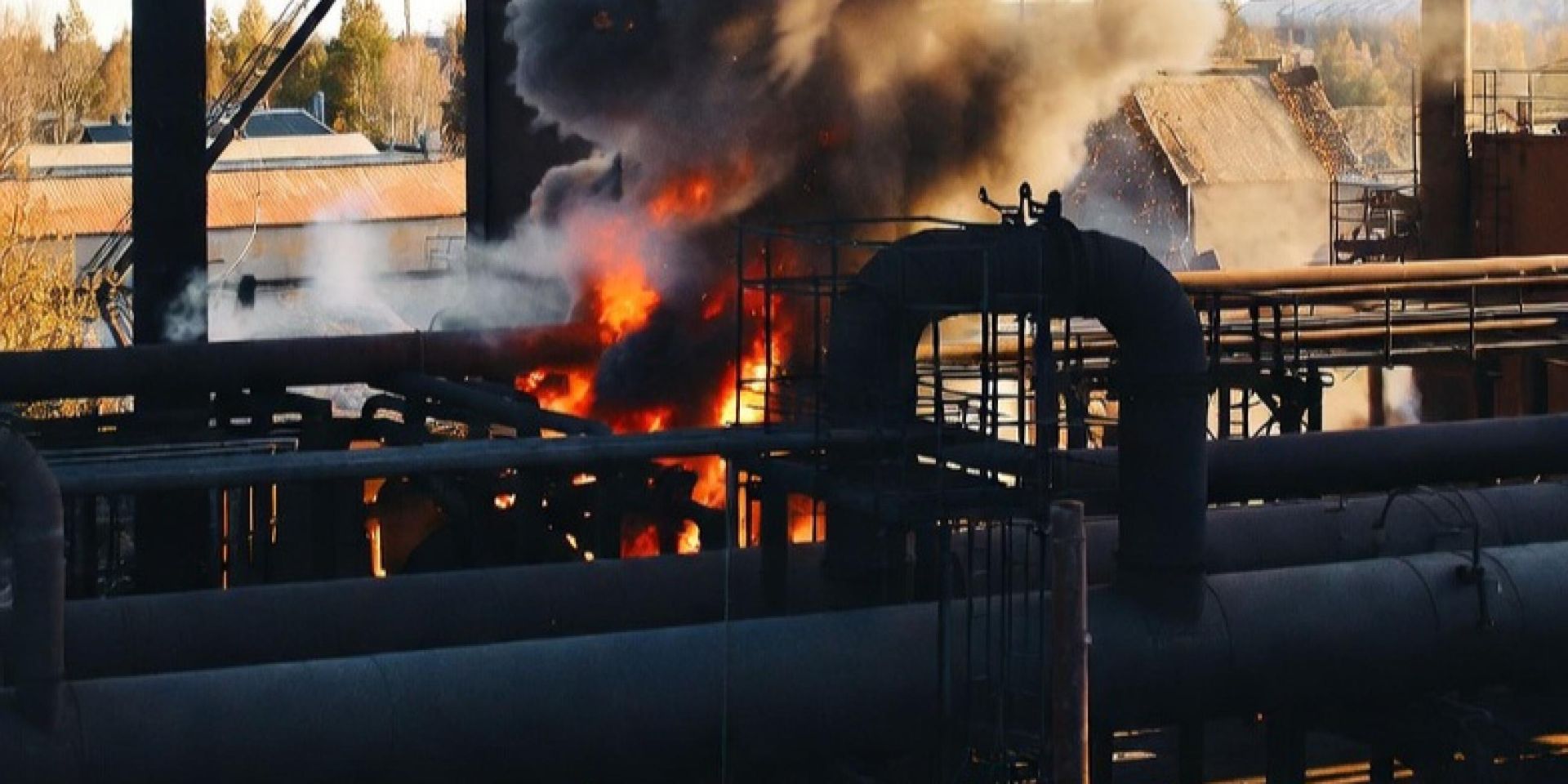
On Sunday, January 18, 2026, a major explosion occurred at a plate plant operated by Baogang United Steel in Baotou City, Inner Mongolia, China, resulting in multiple fatalities and injuries. The incident caused significant structural damage, visible smoke plumes, and ground tremors that were felt in surrounding areas, prompting an extensive emergency response.
Location and facility details
The explosion took place at a plate production facility within Baogang United Steel, a major industrial steel manufacturer in western Baotou City, Inner Mongolia Autonomous Region. The plant is part of one of the region’s key heavy industrial complexes, underscoring the scale and potential impact of the incident on both operations and the local community.
Incident sequence and response
At approximately 3:00 p.m. local time, an explosion occurred within the plate plant, sending heavy plumes of smoke into the sky and generating noticeable tremors in nearby areas. Local emergency management authorities reported that rescue and emergency medical teams were swiftly deployed to the scene to control the situation, treat the injured, and commence search and rescue operations for missing workers.
Casualties and evacuation
Authorities confirmed that two people were killed in the explosion, while 66 others were hospitalised, including at least three individuals reported to be in serious condition. In addition, five people were initially reported missing, with emergency teams actively searching for them as part of the ongoing response and evacuation efforts.
Additional context
The blast shook nearby buildings and raised renewed concerns over industrial safety standards at large steel and heavy manufacturing facilities in the region. At the time of reporting, officials had not released information on the root cause of the explosion or the identities of the victims, and investigations by the city’s emergency management bureau were still ongoing.
Safety implications
This incident highlights critical risks associated with large-scale steel production operations, particularly in high‑hazard process areas such as plate plants where energy sources and process materials can escalate minor failures into catastrophic events. It underscores the need for robust process safety management, rigorous inspection and maintenance regimes, effective emergency preparedness, and transparent incident investigation to prevent recurrence and strengthen occupational safety performance in heavy industry.
EntirelySAFE Supports Voices & Safety at Work
In the aftermath of such a heartbreaking incident, workers, families and safety professionals often find themselves wrestling with questions, concerns and the need to speak up. That's where EntirelySAFE can be a meaningful resource.
1. A Platform for Raising Concerns Confidentially
EntirelySAFE provides secure channels for employees to voice safety concerns they might otherwise be afraid to raise.
2. Centralizing Safety Communication
By collecting concerns and observations in one place, EntirelySAFE helps safety leaders identify patterns or recurring risks that might otherwise go unnoticed.
3. Support for Safety Professionals and Families
EntirelySAFE isn't just for workers. Safety professionals can use it to track the effectiveness of interventions.
4. Encouraging a Culture of Accountability and Care
The worst outcome in any workplace is the loss of life. EntirelySAFE's tools push organizations toward proactive safety cultures.
Comments
Sign in to join the conversation